



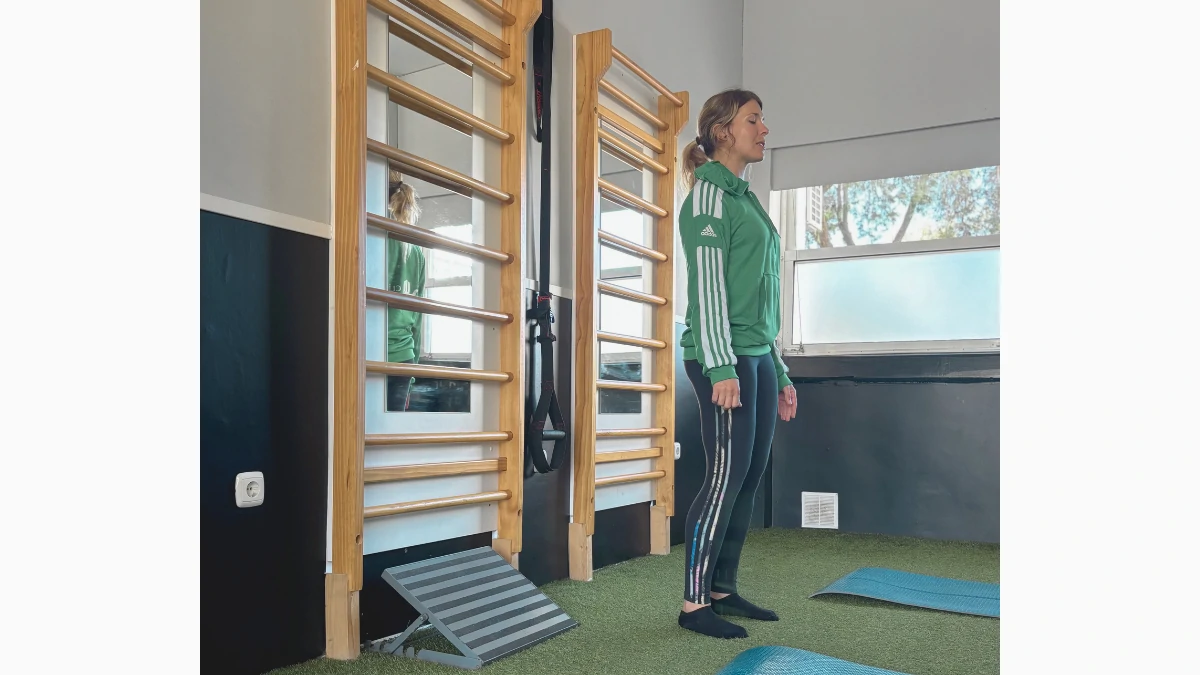
Supraspinatus Tendinitis: Why Shoulder Pain Occurs
 Nov 17, 2025
 Clínica Sohail
The shoulder is a remarkable joint, enabling us to move our
arm in almost any direction. When pain arises upon lifting the arm, carrying a
bag, or even sleeping, one of the most common causes is supraspinatus
tendinitis.
Whether you engage in sports, strength training, padel,
swimming, or simply spend extended hours in front of a computer, this tendon
can easily become irritated over time. It does not always appear suddenly;
often, it begins as a minor discomfort that progressively worsens until it
restricts movement.
What Is the Supraspinatus and Why Does It Become
Irritated?
The supraspinatus is a small muscle that assists in
elevating the arm. Its tendon passes through a narrow space within the
shoulder. When that area experiences overload or a loss of muscular balance
relative to surrounding structures, it becomes inflamed and generates pain.
Sometimes, a few weeks of repetitive movements are
sufficient to trigger irritation. In other cases, the origin stems from routine
factors such as working with rounded shoulders, training with poor technique,
or failing to allow adequate recovery time.
How This Pain Feels
Individuals commonly experience pain on the lateral or
anterior aspect of the shoulder, particularly when raising the arm overhead. On
occasion, discomfort persists through the night. A subtle sensation of weakness
may also develop, making it difficult to lift objects or perform movements that
were previously automatic.
When pain is acute or sudden, it is advisable to rule out a
muscle tear. If you are interested in distinguishing between the two, our
comprehensive article on muscle tears provides additional insight.
Why It Appears
While every case is unique, recurring patterns often emerge:
·
Individuals training multiple days a week,
particularly in racquet sports.
·
Individuals spending prolonged hours at a
computer without noticing rounded shoulder posture.
·
Individuals returning to gym training after a
period of inactivity.
·
Individuals performing repetitive asymmetrical
movements that load one side of the body preferentially.
The tendon responds to repetition, insufficient rest, and
muscular imbalances, becoming progressively irritated until pain develops.
How It Is Diagnosed
In a clinical setting, the source of pain can be identified
through a physical examination and functional movement tests. High-resolution
ultrasound is occasionally utilized to evaluate deeper tendon structural
integrity, although clinical history and physical examination provide
definitive guidance in most cases.
Treatment: What Truly Works
Recovery begins by reducing tendon irritation and retraining
the shoulder to move comfortably without pain.
Initial sessions focus on dampening inflammation and
alleviating discomfort. From there, the objective shifts toward restoring
control, strength, and joint stability. Therapeutic exercises are essential
during this phase: they increase the tendon's load capacity and help prevent
symptom recurrence.
In persistent cases characterized by long-standing
irritation or heightened sensitivity, advanced clinical modalities such as
Magnetolith, MBST, or Hyperbaric Oxygen Therapy can accelerate the recovery
timeline.
When to Seek Medical Evaluation
If shoulder pain persists for two weeks without improvement,
interferes with sleep when lying on the affected side, or produces noticeable
weakness during arm elevation, scheduling an evaluation is recommended. Early
intervention typically yields faster recovery outcomes.
How Long Does Recovery Take?
When identified early, shoulder function typically improves
within a few weeks. If pain has been present for months or significant
structural irritation exists, the process may require additional time.
A progressive, step-by-step approach is essential, as the
tendon responds favorably when exposed to appropriately managed loads.
Our dedicated article on restoring shoulder confidence
provides further details regarding this process.
Preventing Recurrence
The key lies in movement quality. Learning to move the
shoulder efficiently, balancing surrounding muscular strength, and managing
posture during prolonged sitting are highly protective strategies. Training
with structured load progression and respecting recovery periods are equally
vital.
How We Treat This Injury at Sohail and Why It Works
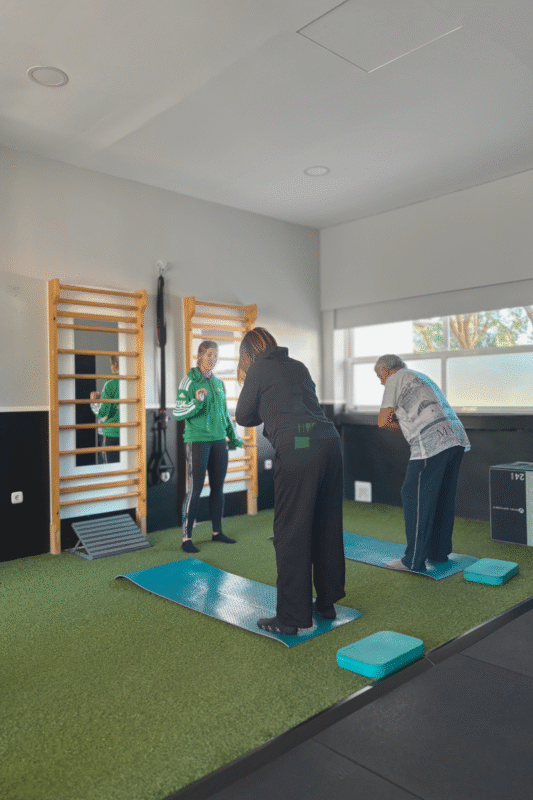
The supraspinatus tendon recovers most effectively when
treatment combines three principles: identifying the source of irritation,
restoring comfortable movement patterns, and aiding tissue adaptation to load.
Active physical therapy serves as our core intervention because it directly
modifies tendon behavior. We first aim to establish pain-free shoulder movement
by refining scapular coordination and optimizing force distribution.
Subsequently, progressive load is introduced to rebuild the tendon's functional
tolerance for daily demands.
For recent irritation, active physical therapy alone is
often sufficient. However, in cases of long-standing inflammation where
repeated strain has compromised tissue quality, complementary technologies are
introduced to support—never replace—active treatment.
MBST is particularly advantageous for chronic tendon
irritation. It targets cellular metabolism to encourage internal tissue
recovery, enabling the tendon to tolerate load without re-triggering
inflammation. For patients with chronic pain or long-standing tendinopathy, it
often provides significant clinical value.
Magnetolith operates through a different mechanism. It
serves as an advanced tool to reduce localized inflammation and pain during
acute or sensitive phases. While it does not build muscle strength or replace
exercise, it improves tissue tolerance to movement, allowing progression
without frequent flare-ups. When the shoulder becomes reactive during workouts
or daily tasks, this treatment modulates the tissue's inflammatory response.
The Hyperbaric Chamber provides strong therapeutic support
in the presence of pronounced inflammation or delayed recovery. By increasing
tissue oxygenation, it enhances cellular repair processes that might otherwise
proceed slowly. At Sohail Clinic, we utilize hyperbaric therapy primarily
during acute phases or for individuals aiming to optimize recovery efficiency
without compromising quality.
These technologies are not required in every instance. The
foundation of care remains guided movement and progressive strengthening.
Advanced technology is integrated when the tendon requires additional support
or to prevent protracted recovery timelines.
An individualized framework determines the exact clinical
pathway. Some individuals improve rapidly, whereas others benefit from a
multimodal strategy. Every tendon has a unique mechanical history, and
treatment must adapt accordingly.
This thorough evaluation also helps differentiate true
tendinopathy from conditions with overlapping symptoms. While shoulder pain may
be felt locally, its true origin can sometimes stem from a structural tear—as
outlined in our article on muscle tears—or compensatory mechanics arising from
the thoracic or lumbar spine.
Understanding the true source of pain is the essential
first step toward effective resolution.