



Shoulder Injuries: Causes, Treatment, and How to Regain Mobility
 May 11, 2026
 Clínica Sohail
The shoulder is one of the most complex joints in the human body. It allows the arm to move in practically all directions, but that same freedom of movement also makes it particularly vulnerable to injury.
In our practice, we frequently see people arriving with shoulder pain that prevents them from sleeping, lifting their arm, or performing everyday movements like getting dressed, lifting weight, or training. In many cases, this pain has been present for weeks or months, and its origin is not always clear.
At Sohail Clinic in Fuengirola, we approach shoulder injuries from a comprehensive assessment to identify which structure is affected and why the problem has occurred.
Because treating the shoulder is not just about relieving pain, but understanding what is causing it.
Why Does Shoulder Pain Appear?
The shoulder is made up of several joints and structures working together: tendons, muscles, ligaments, joint capsule, and bursa. When any of these structures becomes inflamed, overloaded, or injured, pain appears.
The most frequent causes we see in our practice are:
· Supraspinatus tendinitis. One of the most common injuries, especially in people who perform repetitive overhead movements or practice sports like tennis, padel, or swimming.
· Subacromial impingement. Occurs when the rotator cuff tendons become compressed when elevating the arm. It usually causes pain when raising the arm or sleeping on that side.
· Bursitis. The bursa is a small sac that reduces friction between tissues. When inflamed, it can cause severe pain and mobility limitation.
· Rotator cuff tears. These can be partial or complete. In many cases, they appear progressively due to overload or tendon degeneration.
· Adhesive capsulitis (frozen shoulder). A condition that causes progressive shoulder stiffness and a significant loss of mobility. · Instability or dislocations. Especially in young individuals or athletes.
· Referred pain from the neck or thoracic spine. Sometimes the problem is not in the shoulder, but in the cervical or thoracic spine. This is why a complete evaluation before starting any treatment is essential.
How We Evaluate a Shoulder Injury
At Sohail Clinic, we always start with a detailed clinical assessment where we analyze:
· Shoulder mobility.
· Muscle strength.
· Joint stability.
· Movement pattern.
· Possible compensations.
When necessary, we use musculoskeletal ultrasound, which allows us to observe the state of tendons, muscles, or bursae in real time. This helps us precisely identify which structure is affected and which treatment may be most appropriate.
Advanced Treatment for Shoulder Injuries
Once the origin of the pain has been identified, we design a treatment plan adapted to each case. Not all shoulders need the same thing. Among the techniques we frequently use are:
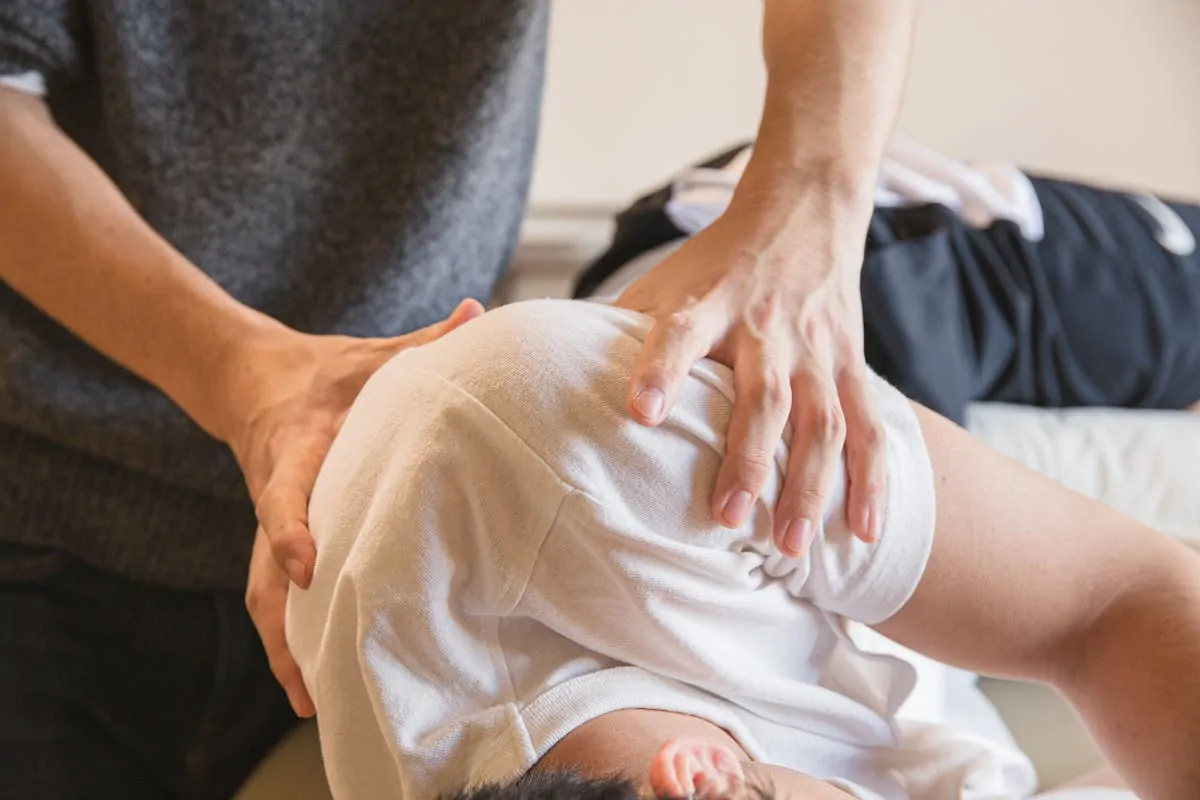
· Specialized manual physiotherapy. To improve joint mobility, reduce muscle tension, and restore the natural movement of the shoulder.
· High-power therapeutic laser. High-intensity laser is used to stimulate tissue repair processes. It helps reduce inflammation, improve tendon and soft tissue regeneration, and decrease pain. It is an especially useful tool in tendinopathies or inflammatory conditions.
· Neuromodulation. Allows acting on the peripheral nervous system to modulate pain and improve muscle activation.
· Invasive physiotherapy techniques. Such as percutaneous electrolysis (EPI), used in specific cases of chronic tendinopathy.
· Advanced recovery technology. Equipment that helps stimulate tissue repair and improve tissue response during the recovery process.
Regaining Movement: The Key Part of Treatment
Relieving pain is only the first step. For the shoulder to function correctly again, it is essential to restore strength, mobility, and movement control. That is why treatment always includes:
· Specific mobility exercises.
· Scapular stability work.
· Progressive rotator cuff strengthening.
· Readaptation to sports movements or daily activities.
This process enables the shoulder to move normally again and reduces the risk of relapses.
How We Treat Shoulder Injuries
The treatment of a shoulder injury always depends on the origin of the problem. Not all tendinitis, tears, or inflammations are approached in the same way. Therefore, before starting any intervention, we perform a thorough clinical evaluation to understand which structure is affected and what type of treatment will be most effective.
From there, we design a customized treatment plan:
· Manual physiotherapy and targeted tissue treatment. In many shoulder injuries, the primary goal is to reduce pain and inflammation to allow the joint to move normally again. To achieve this, we use manual physiotherapy techniques aimed at improving shoulder mobility, releasing muscle tension, and restoring rotator cuff function. These techniques allow us to work directly on the structures causing pain and improve shoulder mechanics.
· K-Laser therapeutic laser. In specific cases, we use K-Laser, a high-power therapeutic laser that helps stimulate tissue repair processes. This type of laser is frequently used in injuries such as rotator cuff tendinitis, bursitis, inflammatory shoulder processes, and muscle or tendon injuries. The laser's energy acts on the tissue, promoting cellular regeneration, reducing inflammation, and helping decrease pain. This allows the patient to begin mobility and functional recovery work sooner.
· Advanced physiotherapy technology. In addition to the laser, treatment may include other advanced physiotherapy tools that help accelerate tissue recovery and enhance treatment response. These technologies are always used as a complement to manual physiotherapy and active patient participation.
· Therapeutic exercise and functional readaptation. Shoulder recovery does not end when the pain disappears. To prevent relapses, it is fundamental to rebuild strength, stability, and movement control. Therefore, treatment is completed with a specific exercise program designed to improve shoulder mobility, strengthen the rotator cuff, restore scapular stability, and progressively return to sports or work activities. This readaptation work is key to ensuring the shoulder functions normally again and allowing the patient to resume daily life without limitations.
Request Your Assessment
If shoulder pain is limiting your day-to-day life, you can request an assessment at Sohail Clinic. We will analyze your case and guide you toward the most appropriate treatment to regain pain-free movement.