



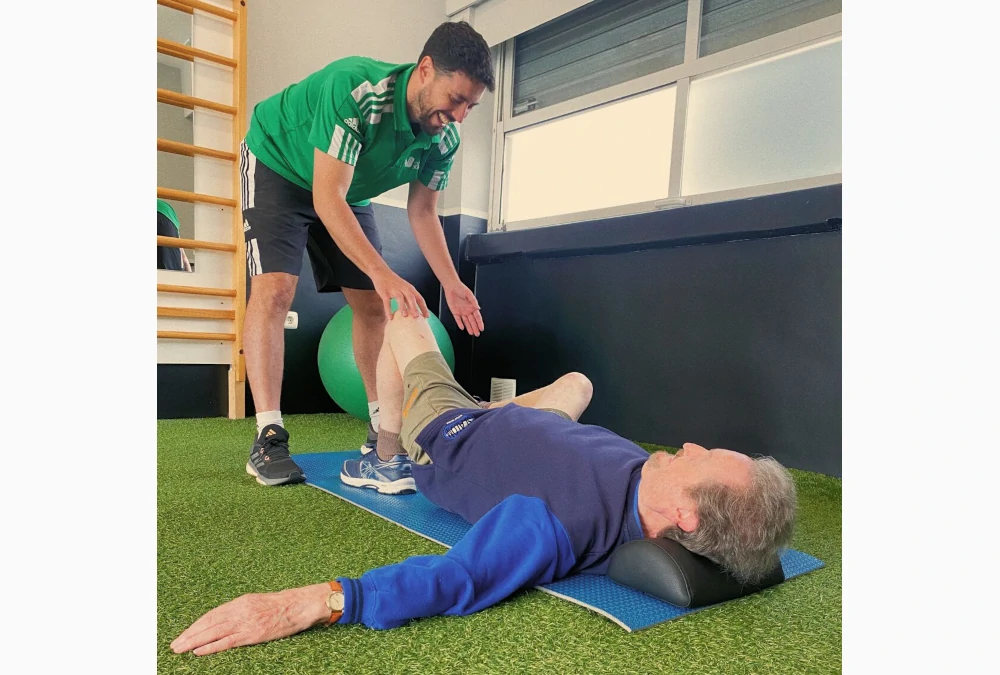
Piriformis Syndrome | Specialized Treatments at Sohail Clinic
 Jun 23, 2025
 Clínica Sohail
Piriformis syndrome is a neuromuscular condition that occurs
when the piriformis muscle compresses the sciatic nerve, producing pain
localized in the buttock area that can radiate down the back of the leg. Often,
this pain is mistaken for sciatica of lumbar origin, but its cause is entirely
different.
When the piriformis muscle becomes tight, inflamed, or
overloaded, it can exert pressure on the sciatic nerve, causing pain, burning
sensations, numbness, or even altered sensitivity and strength in the affected
leg. Depending on the intensity of the compression, symptoms can range from
mild discomfort to significant mobility limitations.
Symptoms of Piriformis Syndrome
The primary symptom of this condition is pain in the gluteal
region, which may intensify with certain movements or prolonged postures, such
as sitting for long periods or climbing stairs. As compression persists over
time, you may experience:
·
Deep pain in the buttock region, which may
radiate down the back of the thigh.
·
Burning sensation or numbness in the affected
leg.
·
Discomfort when sitting for prolonged periods,
especially with crossed legs.
·
Loss of leg strength or difficulty performing
movements that involve the hip.
·
Stiffness in the hip joint and restricted range
of motion.
These symptoms can worsen with physical activity,
particularly in sports involving sudden pivots or changes of direction, such as
running or soccer.
Causes and Risk Factors
Piriformis syndrome typically develops due to muscle
overload, improper postures, and biomechanical imbalances affecting the lumbar
and pelvic areas. Common causes include:
·
Sedentary lifestyle and poor posture: Spending
long hours sitting without proper postural habits can promote piriformis
tightness.
·
High-demand exercise: Sports requiring high hip
involvement, such as running, cycling, or soccer, can overload this muscle.
·
Previous injuries: Trauma or gait alterations
can modify body biomechanics and overload the piriformis.
·
Lumbar or sacroiliac dysfunction: Issues in the
lower spine can lead to compensatory strain in gluteal musculature,
predisposing to sciatic nerve compression.
Differential Diagnosis: Is It Sciatica or Piriformis
Syndrome?
Many people assume their pain stems from sciatica caused by
a herniated disc; however, in piriformis syndrome, nerve compression occurs in
the gluteal region rather than the spine.
To differentiate between both conditions, Sohail Clinic
performs a thorough evaluation including:
·
Clinical examination and palpation of the
piriformis muscle to identify tension points or tenderness.
·
Orthopedic testing, such as the FAIR test, which
reproduces pain when placing the hip in flexion, adduction, and internal
rotation.
·
Complementary imaging, such as ultrasound or
MRI, when necessary to rule out other pathologies.
Treatment and Therapeutic Approach
Treatment for piriformis syndrome focuses on reducing
inflammation, relieving sciatic nerve compression, and restoring hip mobility.
At Sohail Clinic, we combine various therapeutic strategies for an effective
recovery.
Physical Therapy and Manual Therapy
The first step is relaxing affected musculature and
improving mobility using techniques such as:
·
Myofascial release and deep tissue treatment to
reduce piriformis tension.
·
Joint mobilization to enhance hip range of
motion.
·
Dry needling and neuromodulation to deactivate
pain-triggering points.
Therapeutic Exercise and Rehabilitation
Once pain subsides, re-educating musculature and correcting
postural imbalances is essential to prevent relapses:
·
Specific stretching of the piriformis and
adjacent musculature.
·
Strengthening of the gluteus medius and core to
improve pelvic stability.
·
Movement pattern re-education to avoid
unnecessary muscle overload.
Superinductive Magnetotherapy (Magnetolith)
At Sohail Clinic, we utilize Magnetolith, an advanced
technology that reduces inflammation, improves circulation, and accelerates
recovery from muscle injuries. This painless therapy yields faster results in
pain relief and mobility recovery.
Magnetolith treatment applies high-intensity magnetic fields
that penetrate muscle and nerve tissue to relieve pain, reduce inflammation,
and accelerate cellular regeneration.
Why Is Magnetolith Effective for Piriformis Syndrome?
·
Pain reduction and muscle relaxation: Piriformis
syndrome causes persistent muscle contraction, compressing the sciatic nerve.
Magnetolith acts directly on musculature, relaxing the piriformis and releasing
pressure on the nerve.
·
Inflammation reduction: Superinductive therapy
enhances local microcirculation, facilitating the drainage of inflammatory
substances and promoting tissue egeneration.
·
Restoration of neuromuscular balance: The
syndrome alters communication between the nervous system and gluteal muscles.
Magnetolith stimulates the peripheral nervous system, promoting a more
efficient muscle response and restoring normal function.
·
Non-invasive with no side effects: Unlike
injections or analgesic medications, Magnetolith carries no adverse effects and
allows patients to maintain daily activities without interruption.
How to Prevent Piriformis Syndrome
To prevent this condition or keep it from becoming a
recurring issue, consider the following recommendations:
·
Avoid sitting for extended periods without
moving; stand up and walk periodically.
·
Perform hip mobility exercises and stretches to
maintain piriformis flexibility.
·
Strengthen the gluteus medius and core
musculature to stabilize the pelvis.
·
If participating in sports, ensure proper
warm-up routines and compensatory training.
Once pain subsides and inflammation is controlled, focusing
on mobility, postural control, and muscle strength is essential to prevent
relapses. This is where Therapeutic Pilates becomes a key component in
piriformis syndrome rehabilitation.
Why Is Therapeutic Pilates Ideal for These Cases?
·
Strengthens gluteal muscles without overloading
them: Therapeutic Pilates exercises target the gluteus medius and core, helping
stabilize the pelvis and reduce piriformis strain.
·
Improves hip and spinal mobility: Many
individuals with piriformis syndrome experience hip mobility restrictions that
perpetuate muscle tightness. Pilates incorporates controlled movements to
safely increase range of motion.
·
Corrects deficient movement patterns: Faulty
gait patterns, poor posture, or altered biomechanics can cause the piriformis
to overwork. Specific exercises re-educate movement to prevent future
overloads.
·
Reduces stress and enhances breathing: Chronic
pain often leads to tension accumulation in the lumbar and pelvic regions.
Pilates integrates breathing techniques and controlled movement, promoting
relaxation and reducing muscle stress.
Piriformis syndrome can become a persistent issue if not
addressed comprehensively. Combining Magnetolith and Therapeutic Pilates offers
an integrative approach that not only relieves pain but also corrects
underlying causes.
Magnetolith reduces inflammation, relaxes musculature, and
accelerates recovery.
Therapeutic Pilates strengthens the affected area, improves
mobility, and prevents relapses.
Book your appointment and discover how we can guide your
recovery.