



Patellar Chondromalacia: Why the Knee Hurts and How to Treat It
 Dec 29, 2025
 Clínica Sohail
The knee is a strong joint, yet sensitive to the subtle mechanics of daily movement. Climbing stairs, squatting, walking downhill, or even sitting for prolonged periods can become challenging when pain develops in the front of the knee. One of the most common causes of this pain is patellar chondromalacia, a condition affecting the cartilage behind the kneecap.
At our clinic in Fuengirola, we treat patellar
chondromalacia in runners, athletes engaging in high-impact sports, as well as
individuals who sit for long hours. While not a severe condition, it can be
persistent, uncomfortable, and frustrating if not addressed correctly from the
start.
What Exactly Is Patellar Chondromalacia?
The kneecap (patella) slides along a groove as the knee
flexes and extends. To ensure smooth movement, its underside is lined with
cartilage. When this cartilage becomes irritated, its surface becomes
sensitive, leading to pain.
Chondromalacia rarely appears overnight. It typically
develops over weeks or months, marked by mild initial discomfort that gradually
becomes more noticeable and harder to ignore.
How This Pain Feels
Patients presenting for an evaluation commonly describe:
·
Very localized pain in the front part of the
knee.
·
Discomfort when sitting with knees bent for
extended periods.
·
Pain when going down stairs or walking downhill.
·
A rubbing, catching, or clicking sensation when
moving the knee.
·
Difficulty performing deep flexion exercises.
To differentiate this from other types of knee discomfort,
you may find our article on knee pain by location helpful.
Why It Occurs
Patellar chondromalacia is closely linked to movement
patterns rather than structural wear. Cartilage becomes irritated when the
kneecap does not glide smoothly along its track. This can result from several
factors: inefficient movement mechanics, a sudden increase in training load,
weakness in the gluteal or quadriceps muscles, or sustained postures maintained
over long periods.
How It Is Diagnosed
Diagnosis is primarily clinical: we review your health
history, analyze your movement patterns, and observe how the patella tracks.
Physical examination is generally sufficient; imaging tests are reserved for
specific cases to rule out other underlying causes.
Treatment That Really Works
Patellar chondromalacia improves when the knee regains
efficient movement mechanics. The goal is not to keep the knee immobilized, but
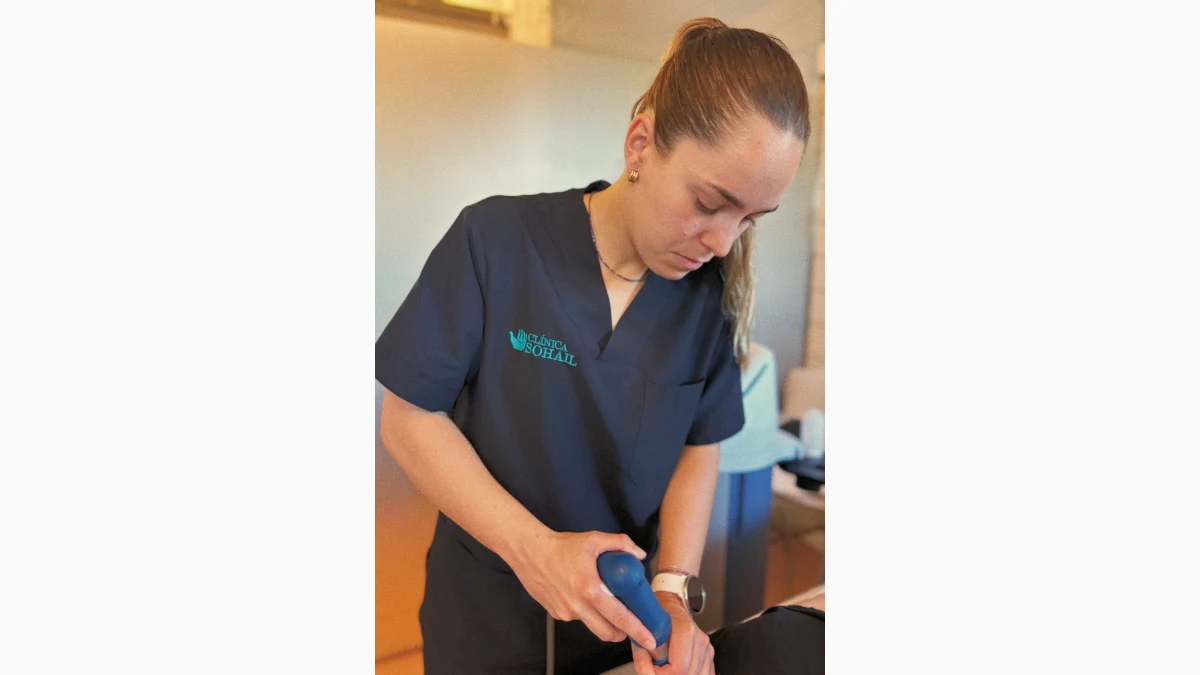
to retrain it to handle load effectively. In clinical sessions, we focus on
improving hip mobility, strengthening the quadriceps, and training the gluteal
muscles to properly stabilize the hip.
Therapeutic exercise is the foundation of recovery. Guided
movement helps the tissue rebuild its load capacity.
When Technology Is Used to Support Recovery
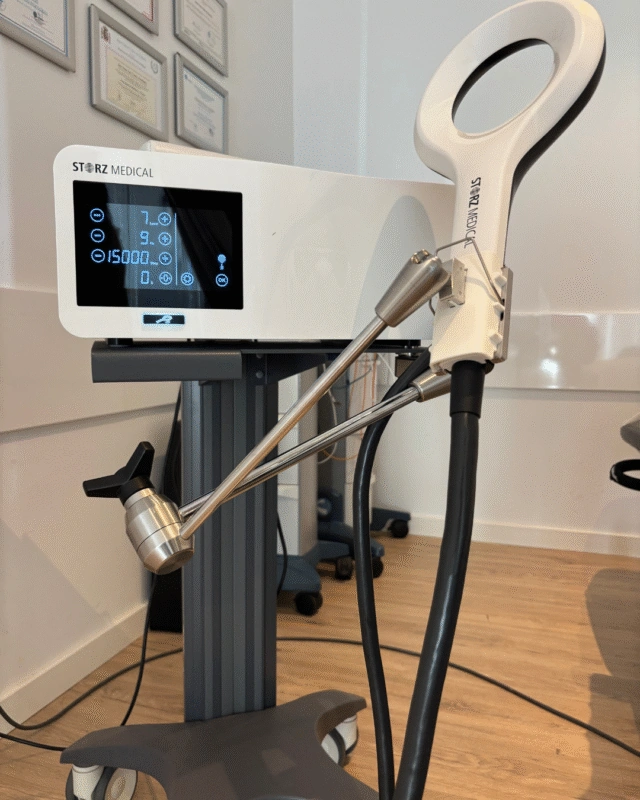
When pain hinders progress, we utilize technology to complement active therapy. Magnetolith is used to reduce cartilage irritation, enabling patients to progress through their exercise program with less discomfort. For further details, you can read our dedicated article on Magnetolith.
When to Seek Professional Guidance
If knee pain restricts your training or makes walking down
stairs uncomfortable, it is time for an assessment. Patellar chondromalacia
resolves through functional recovery rather than extended rest.
It is not an irreversible degenerative condition; it is a
movement dysfunction with a favorable prognosis when managed with a structured,
personalized strategy.
Are you experiencing pain in the front of your knee? At
Sohail, we help you restore your mobility and move without fear of pain.